Top 10 Ways to Encourage Critical Thinking in Your Child Through Everyday Conversations
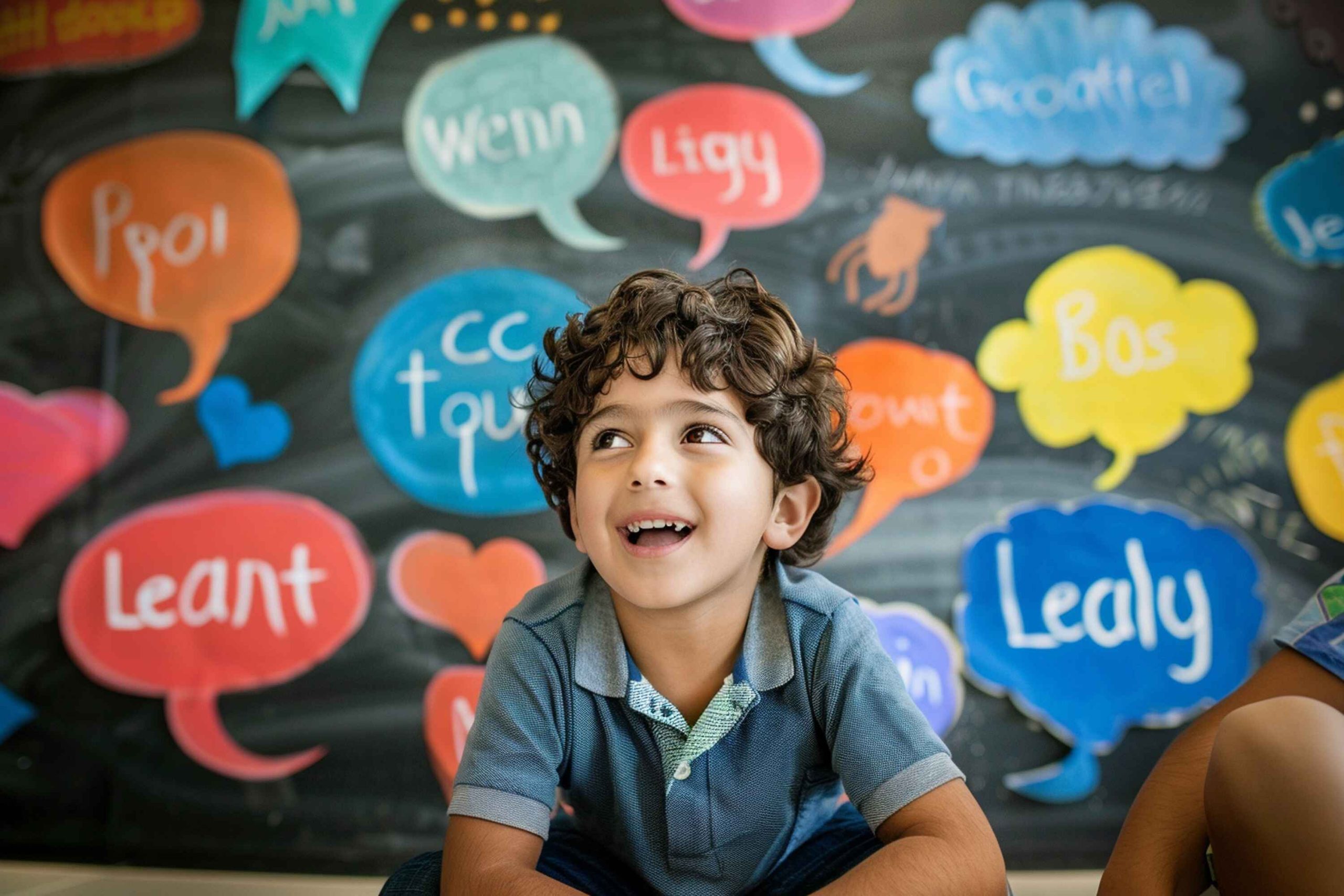

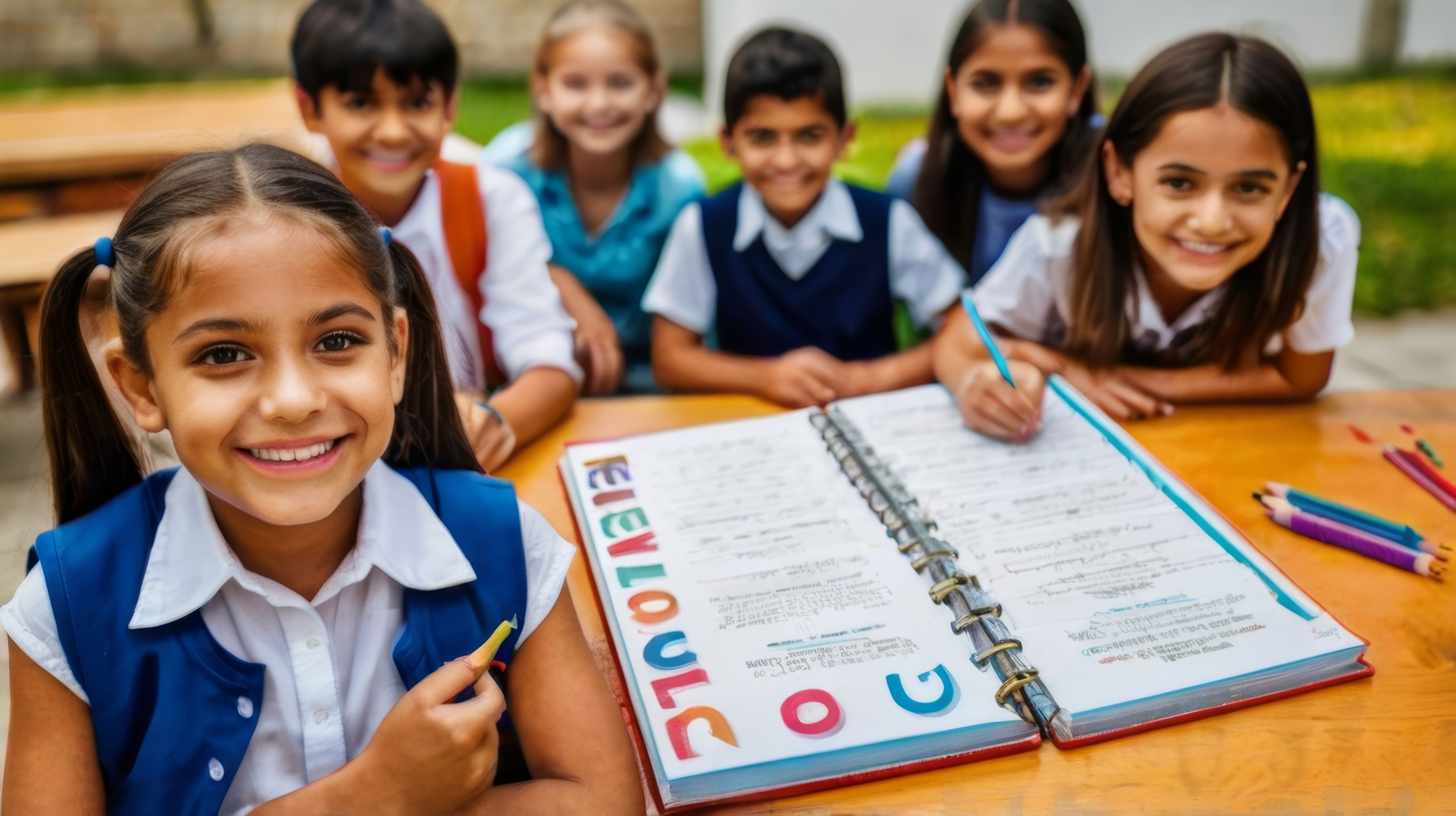
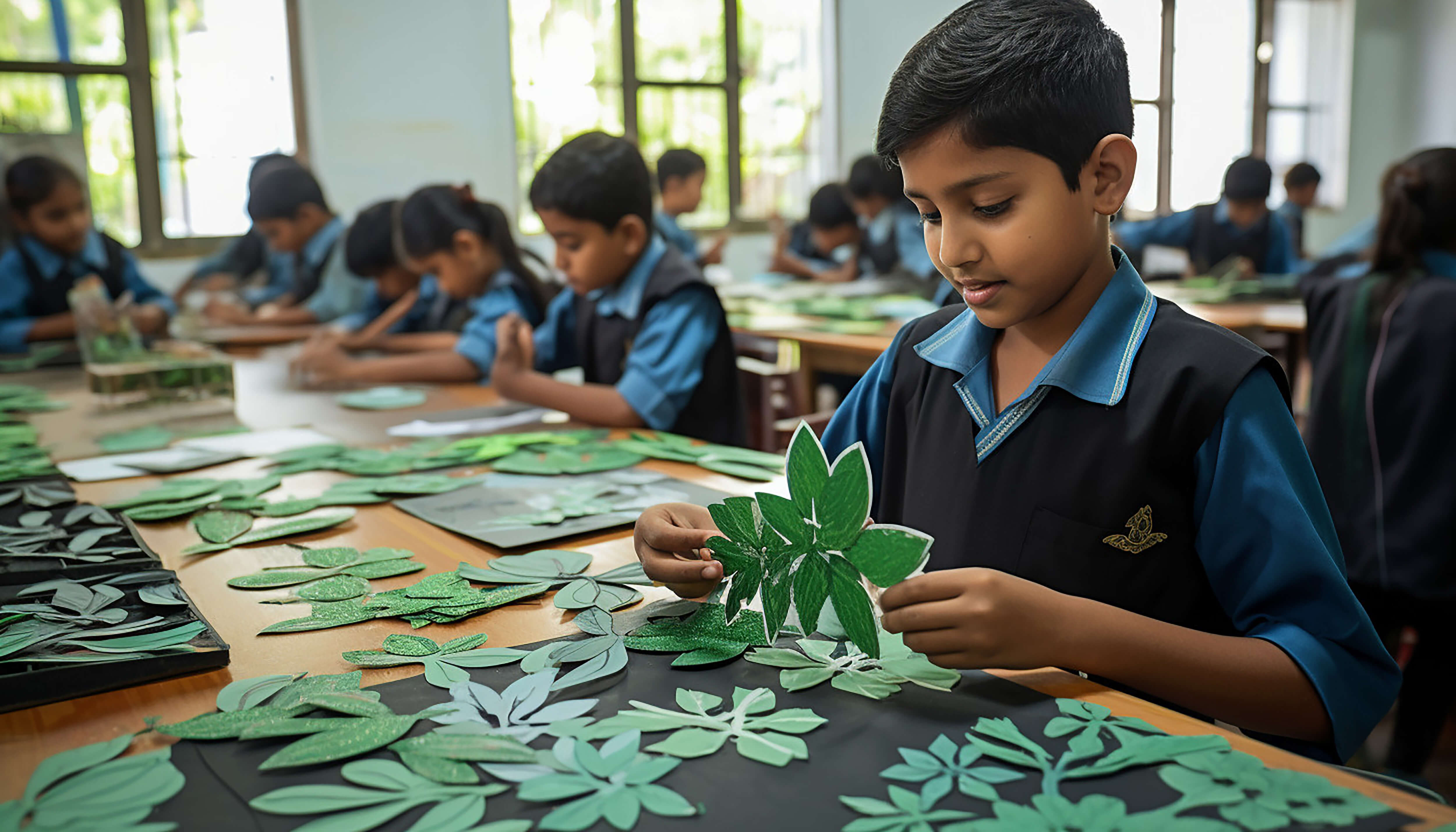
Critical thinking develops when children participate in simple, everyday conversations, sparking their curiosity and imagination. Instead of teaching prominent theories, parents can guide kids with small, playful interactions that make learning enjoyable. Schools like CMR Gandhi Public School, recognised as one of the best schools near Marathahalli, also employ activity-based methods that enhance early communication skills. With the right approach at home, every child can grow sharper, more confident, and more expressive.
10 Best Ways to Impart Critical Thinking in Your Child
Here is the list of 10 best ways to encourage critical thinking in your child:
Give Your Child the Best Start in Life
Admissions are now open for 2025–26. Secure your child's place at one of Bangalore's top CBSE schools.
Apply for Admission
1. Storytelling with Visual Cards
Storytelling with picture or visual cards is a powerful way to encourage imagination and early reasoning. Children observe a picture, think about what’s happening, and build sentences around it. This improves their thinking skills.
It’s one of the best ways to improve critical thinking in kids, because they learn to describe objects, connect ideas, and answer simple questions like “What happens next?” Even a brief daily storytelling session can enhance their speaking skills and decision-making abilities.
You can try this at home or explore similar activities followed at the best CBSE schools in Sarjapur Road Bangalore, including CMR Gandhi Public School.
2. Rhyming Word Games
Rhyming activities help kids recognise patterns in words, which strengthens memory and early reading skills. Ask your child to find words that rhyme or complete simple rhyming pairs. This is fun and builds confidence.
Experience Our Campus Firsthand
See our world-class facilities, meet our faculty, and understand what makes CMR Gandhi special. Book a free campus tour today.
Book Campus Tour
Such games also support phonemic awareness, which is essential if you’re exploring how to impart critical thinking to kids through language. When children learn to match sounds, they also develop the ability to listen carefully and make connections.
These small, playful activities can be incorporated into bedtime routines, car rides, or snack-time conversations.
Download Our Brochure
Explore our programs, facilities, and learning approach at CMR Gandhi. Free download for parents. - edhu change panu
Get Free Guide
3. Acting and Pretend Play
Pretend play is one of the most natural ways for children to learn expressive language and social skills. When kids act out roles like teachers, doctors, chefs, or superheroes, they learn new vocabulary and gain a deeper understanding of various situations.
This type of imaginative play enhances observation, planning, and decision-making skills. It also builds early problem-solving skills as kids try new roles.
Many educators consider pretend play among the everyday critical thinking activities for children, because it teaches them to ask questions, explain their thoughts, and interact confidently.
4. Interactive Singing and Rhyming
Songs with actions, repeating lines, or patterns work wonders for young children. Singing helps strengthen listening and rhythm, while repeating words boosts memory.
When parents sing together with kids, the interaction becomes more meaningful. Kids try to predict the next word or come up with their own funny rhymes. This helps them think actively instead of just listening passively.
Music-based learning is used widely in schools where children learn through movement, sound, and expression. Adding short singing sessions to daily routines can significantly improve your child’s confidence and language clarity.
5. Story Reading with Interaction
Reading stories is powerful, but reading with interaction is even better. Pause during the story and ask simple questions. Small questions spark thinking and help kids connect ideas.
This is one of the top ways to develop critical thinking in kids, as it teaches them to reason, predict, and explain concepts in their own words. Interactive reading also improves focus and comprehension.
Whether you read for 10 minutes or 20, your child learns more when the session feels like a friendly conversation rather than a lesson.
6. Vocabulary Treasure Hunt
A vocabulary treasure hunt makes learning a fun and engaging activity. Hide simple objects or picture cards around the house and ask your child to find them using clues like “something round,” “something red,” or “something we use in the kitchen.”
This helps kids think, listen, and identify things using descriptive words. It improves vocabulary and understanding of categories and attributes. It is also one of the best everyday critical thinking activities for children, because they connect clues with real objects.
The activity fosters excitement and curiosity while supporting language development in a playful and stress-free manner.
7. Guess What I’m Thinking
This game helps children develop their descriptive language and active listening skills. Describe an object without naming it, and let your child guess. Then allow them to describe something for you.
This back-and-forth activity builds concentration, creativity, and reasoning skills. It’s a simple game, yet amazing for parents exploring how to teach critical thinking to kids through conversations.
Kids learn how to explain ideas clearly and use good clues. You can play this game anywhere—during walks, meals, or even while waiting at a store.
8. Puppet Conversations
Puppets naturally attract children and make conversations more interactive. When kids talk to puppets, they feel free to express themselves without hesitation. You can create small story situations, encourage your child to respond, or let them make a story on their own.
This enhances sentence building, storytelling, and imaginative thinking. Puppetry is highly practical for building communication confidence and nurturing critical thinking.
Many leading schools use similar playful tools to make learning enjoyable. At home, even a simple sock puppet can become the perfect tool to help your child talk, imagine, and think deeper.
9. Letter Sound Exploration
Early phonics is the foundation for reading. Through letter-sound exploration, kids learn how each letter sounds, how words begin, and how sounds connect to create meaning.
Simple activities, such as sorting objects by their starting sounds or matching letters to pictures, make learning a more engaging experience. These activities strengthen analytical thinking because kids must listen carefully and make sound-based decisions.
They also support early reading readiness and vocabulary development. For parents seeking effective ways to develop critical thinking in their children, phonics games provide a strong foundation.
They help children understand patterns and think step-by-step, which boosts confidence in both reading and reasoning.
10. Word & Language Board Games
Board games like word puzzles, Junior Scrabble, memory match, or picture-word cards are excellent for building vocabulary and developing turn-taking habits. Kids learn to follow rules, ask questions, think before answering, and make simple strategies.
These steps naturally build critical thinking. Games that require matching, sequencing, or describing are excellent choices for children. They also promote bonding and reduce screen time.
Many parents prefer board games as they combine fun with educational value, making them a perfect part of everyday critical thinking activities for children. Include them in your weekend routines for consistent growth.
Parent Tips for Better Learning
To help your child grow steadily, maintain a simple routine with language-rich activities every day. It doesn’t have to be long or complicated—10 to 15 minutes of consistent practice works beautifully.
Praise your child’s efforts, not just correct answers. Celebrate small achievements to build confidence. Surround your child with books, stories, open conversations, and playful language activities.
These daily moments create a strong foundation for thinking, expression, and communication. Even schools like CMR Gandhi Public School, counted among the best schools near Marathahalli, encourage parents to stay involved at home, as this combined support greatly benefits the child.
Final Thoughts
Playful learning is powerful. When children learn through songs, stories, conversations, and games, their thinking becomes sharper and their communication becomes stronger.
These activities help build vocabulary, improve reasoning, and enable kids to express themselves clearly. With simple, everyday practices, parents can naturally teach their children essential skills. So, bring these ideas into your regular routines and enjoy the small learning moments with your child.
Over time, you’ll notice steady growth in confidence, language skills, and curiosity—one day at a time.