What is Montessori Education and Is It Effective for Young Children In 2026?
In 2026, the global shift toward “future-ready” skills has placed Montessori pedagogy back in the spotlight. Unlike traditional rote-learning models, Montessori focuses on self-directed activity and clinical observation. For parents navigating pre schools in HSR Layout or searching for the best pre schools in Bangalore, the goal is clear: fostering a child who can think critically without constant adult intervention. CMR Gandhi Public School integrates these core Montessori principles into its early years’ framework to ensure students are not just learners, but innovators.
The Urban Rise of Montessori
Early childhood education in Bangalore has moved beyond simple “childcare.” In high-density IT corridors, parents are increasingly prioritizing cognitive independence over early memorization. This has led to a significant rise in the popularity of the Montessori method across urban hubs.
Give Your Child the Best Start in Life
Admissions are now open for 2027–28. Secure your child's place at one of Bangalore's top CBSE schools.
Apply for Admission
Whether you are scouting Montessori schools in Sarjapur Road or comparing the best pre schools in Bangalore, you will notice a common theme: a move away from the “teacher-at-the-blackboard” model. Montessori provides a scientific alternative that aligns perfectly with the National Education Policy (NEP) 2020 guidelines, emphasizing experiential learning from age three.
What is Montessori Education?
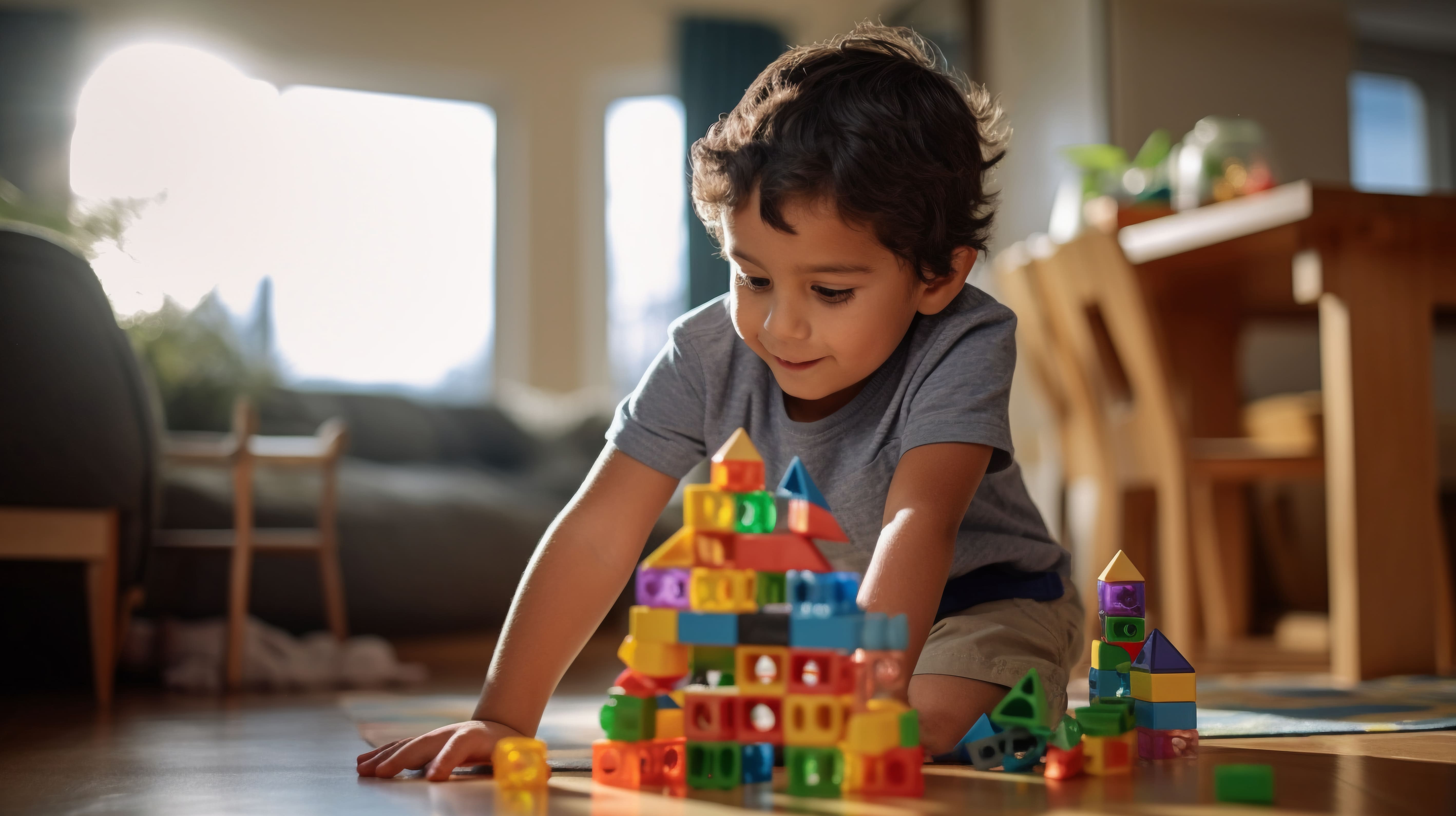
Developed by Dr. Maria Montessori over a century ago, this method is a “child-centered” educational approach based on scientific observation. It operates on the belief that children are naturally eager for knowledge and capable of initiating learning in a sufficiently supportive and well-prepared environment.
- Independence: Children choose their “work” (activities) from a range of options.
- Hands-on Learning: Concepts are taught through physical materials rather than abstract talk.
- Self-Paced Growth: A child who masters a concept moves on; a child who needs more time isn’t rushed.
Key Features of Montessori Learning
The “Montessori Difference” is visible the moment you step into the classroom.
- The Prepared Environment: Everything is child-sized and accessible. Materials are arranged on low, open shelves to encourage freedom of choice.
- Structured Materials: Each “toy” is actually a didactic material designed to teach a single concept (e.g., the Pink Tower for dimensions or Sandpaper Letters for phonics).
- Teachers as Guides: In a Montessori setting, the adult is a “directress” or “guide.” They observe the child’s interests and introduce new materials at the precise moment of readiness, rather than lecturing a whole group.
Why Montessori Education is Effective in 2026
The benefits of Montessori education have gained new traction in 2026 because the world now values “soft skills” as much as technical ones.
Experience Our Campus Firsthand
See our world-class facilities, meet our faculty, and understand what makes CMR Gandhi special. Book a free campus tour today.
Book Campus Tour
- 21st-Century Skills: It builds the “4 Cs”—Creativity, Critical Thinking, Collaboration, and Communication.
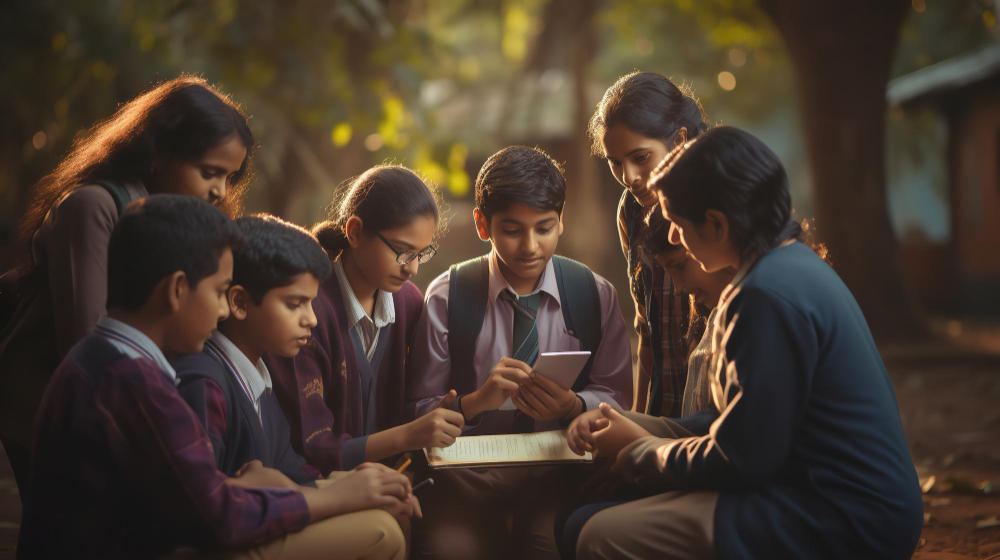
- Emotional Intelligence: In mixed-age classrooms, older children mentor younger ones, building empathy and leadership early on.
- Curiosity Preservation: Traditional schooling often “extinguishes” curiosity with standardized testing. Montessori fans the flame of natural interest, creating lifelong learners.
Benefits for Young Children
The physiological and psychological impact of this method is profound:
- Enhanced Focus: By allowing a child to work on a task uninterrupted, they develop “deep work” habits from age four.
- Practical Life Skills: Activities like pouring water, buttoning clothes, or polishing wood develop fine motor skills and a sense of responsibility.
- Sensory Refinement: Specialized materials help children categorize their world through sight, touch, sound, and smell.
Choosing the Right Montessori Preschool
Not all schools with “Montessori” in their name follow the authentic method. When exploring Montessori schools in Sarjapur Road or pre schools in HSR Layout, look for:
Download Our Brochure
Explore our programs, facilities, and learning approach at CMR Gandhi. Free download for parents.
Get Free Guide
- Certified Faculty: Ensure teachers have specific Montessori training (AMI or IMC certifications).
- Uninterrupted Work Cycles: A true Montessori school allows at least 2–3 hours of continuous, self-directed activity.
- Authentic Materials: Look for high-quality wooden materials, not plastic toys.
At CMR Gandhi Public School, we believe that the environment is the “third teacher.” Our spaces are designed to spark wonder while maintaining the discipline required for academic success.
The Academic Programme at CMR Gandhi Public School
At CMR Gandhi Public School, the academic programme for early learners is built on a deliberate blend of Montessori principles and a structured curriculum framework. Rather than treating academics and play as separate domains, our programme weaves them together into a seamless daily rhythm — one that keeps the child at the centre of every learning experience.
The early years curriculum is organised across five core learning areas:
- Language and Literacy: Phonics-based reading introduced through Sandpaper Letters and Moveable Alphabets, progressing into structured reading and writing readiness.
- Mathematics and Numeracy: Concrete Montessori materials such as Number Rods and Golden Beads introduce abstract mathematical concepts in a tangible, sequential manner.
- Environmental Studies and Science Awareness: Observation-led activities that build a child’s understanding of nature, seasons, living organisms, and the world around them.
- Arts, Music, and Movement: Creative expression is treated as an academic skill, not an afterthought — building spatial reasoning, coordination, and emotional vocabulary.
- Social and Emotional Learning (SEL): Structured circle time, collaborative activities, and mixed-age interactions that build communication, self-regulation, and empathy.
Aligned with the National Education Policy (NEP) 2020 and its foundational stage guidelines, CMR Gandhi’s academic structure ensures that every child’s progression is documented, reviewed, and celebrated — not just measured by scores. Parents receive regular developmental updates, ensuring complete transparency in their child’s learning journey.
Conclusion: Building Future-Ready Learners
Montessori education in 2026 remains one of the most effective ways to prepare a child for an unpredictable future. By focusing on the “whole child”; academic, social, and emotional; it creates individuals who are confident in their ability to solve problems.
If you are looking for a school that values your child’s unique pace and potential, we invite you to visit CMR Gandhi Public School. Experience a learning environment that respects the child and prepares them for life, not just for exams. The journey to becoming a confident, independent thinker starts here.