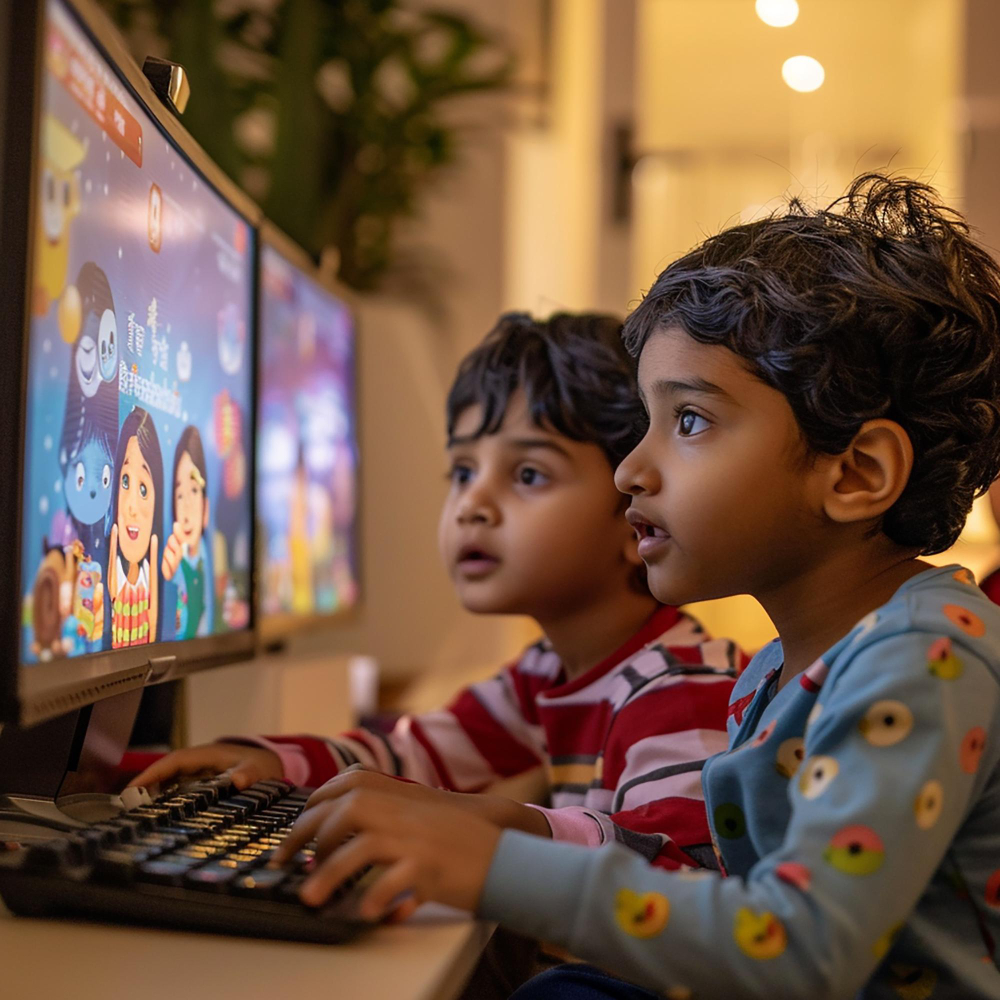
Beyond the Screen: How to Support Student Mental Health in the Age of Social Media and Gaming
When a child spends too much time on a phone or gaming console, the first instinct is often to focus on the screen. But a more useful question may be what the child is getting from it. Is social media helping them feel connected? Is gaming giving them a sense of achievement? Has scrolling become a way to escape boredom, stress or an uncomfortable situation?
Technology itself is rarely the whole story. For parents, understanding how digital habits fit into a child’s daily life can be a more useful starting point for supporting student mental health than simply counting hours.
Give Your Child the Best Start in Life
Admissions are now open for 2027–28. Secure your child's place at one of Bangalore's top CBSE schools.
Apply for Admission
Understanding How Digital Habits Affect Children
Social media and gaming can be positive parts of childhood, offering friendship, creativity, teamwork and problem-solving. But digital experiences can also affect well-being.
Curated social media posts may encourage children to compare their appearance, popularity or achievements with others. Frequent notifications and fast-moving content can make it harder to settle into focused activities. Gaming can bring frustration through competition, losing streaks or pressure from online teammates.
Sleep is another important factor. Late-night scrolling or gaming can reduce rest and leave children tired, irritable or less attentive at school. Screen time is only one part of the picture when looking at social media and mental health. What children experience online, and how it affects their mood, confidence and relationships, deserves attention too.
Signs That a Child May Need More Support
Parents may notice:
Experience Our Campus Firsthand
See our world-class facilities, meet our faculty, and understand what makes CMR Gandhi special. Book a free campus tour today.
Book Campus Tour
- Irritability after using a device
- Less interest in friends, hobbies or family activities
- Difficulty sleeping or waking for school
- Anxiety when a phone or gaming device is unavailable
- Sudden changes in academic performance
One difficult day does not necessarily indicate a serious concern. Look instead for changes that continue or begin to interfere with daily life. Cyberbullying, exclusion, unhealthy comparison or pressure within an online gaming group may sometimes be contributing factors.
Practical Ways Parents Can Help
Begin With Curiosity, Not Criticism
Ask what children enjoy online and whether anything makes them uncomfortable. Listen before offering advice so they feel safe discussing difficult experiences.
Download Our Brochure
Explore our programs, facilities, and learning approach at CMR Gandhi. Free download for parents.
Get Free Guide
Set Digital Boundaries Together
Agree on device-free times during meals, homework and before bedtime. Involving children in setting these rules can make boundaries feel more reasonable and easier to follow.
Protect Sleep and Daily Routines
Keep phones and gaming devices outside the bedroom at night. Encourage regular meals, physical activity and consistent sleep schedules.
Teach Digital Awareness
Talk about edited images, algorithms and influencer content. Help children recognise cyberbullying, unhealthy comparison and unsafe online behaviour.
Make Offline Life Worth Returning To
Encourage sports, reading, creative activities and time with friends or family. Offline activities should not feel like punishment for screen use.
Model the Habits You Expect
Parents can put their own devices aside during conversations and family time. Children are more likely to respect boundaries when adults follow them too.
How Parents and Schools Can Work Together
When changes in mood, participation or academic performance continue, conversations between parents and teachers can help build a clearer picture of what a child may be experiencing at home and at school. A teacher may notice a change in classroom participation that is less visible at home, while parents may have insights into a child’s routines and behaviour outside school. Sharing these observations can help families and educators respond to concerns with greater understanding.
CMR Gandhi Public School brought parents, teachers and a child psychologist(Dr Radhika Ghera) together for a Round Table Discussion on September 19, 2026, creating an open space to discuss children’s emotional and mental well-being. The conversation covered changing emotional needs and behaviour, healthy daily habits and routines, academic support at school, and practical parenting strategies. Parents also had the opportunity to ask questions, share their experiences and learn from both experts and fellow parents.
The discussion reflected the value of bringing home and school perspectives together. That connection is important across high schools in Bangalore, where academic demands develop alongside children’s social and emotional needs. When families and educators communicate openly, student wellness becomes part of everyday support rather than something addressed only when a problem arises.
Balance Begins With Connection
Healthy digital habits do not develop overnight. Children need consistent boundaries, honest conversations and enough space to talk about what they experience online. The discussion at CMR Gandhi Public School also highlighted why these conversations are stronger when families, educators and professionals share their perspectives.
If emotional or behavioural changes persist or interfere with everyday life, qualified professional support may be appropriate. A supportive school environment matters too. From the early years in play Schools in Sarjapur Road to the later stages of education, children benefit when their emotional development is given attention alongside academics. The same balance is worth looking for in CBSE schools in Sarjapur Road, where communication between the school and family can play an important role in a child’s overall experience.
A healthier digital balance begins when children feel comfortable talking about what happens on their screens and how those experiences make them feel. Supporting student mental health starts with that connection.