Moving From “Why” To “How”: Defining The Goals And Methods Of Fostering A Positive Attitude Among School Students
There is little argument against the propositions that schools should play a key role in fostering a positive mindset. This requirement is particularly pronounced during the post-pandemic recovery period. An overwhelming majority of school-going children across the globe have suffered losses in their educational, personal growth and development due to the disruptions in traditional classroom, limited peer interactions and the shortcomings/unavailability of virtual education.
Give Your Child the Best Start in Life
Admissions are now open for 2027–28. Secure your child's place at one of Bangalore's top CBSE schools.
Apply for Admission
One of the common goals of fostering a positive mindset among school students is the improvement of learning outcomes. Much of the academic literature and studies in this field is inspired by the work of Carol Dweck.[1] She proposed that learning behaviours and intelligence are influenced by student’s mindsets – hence, teaching students a growth mindset can encourage them to build resilience and embrace learning as a challenge.
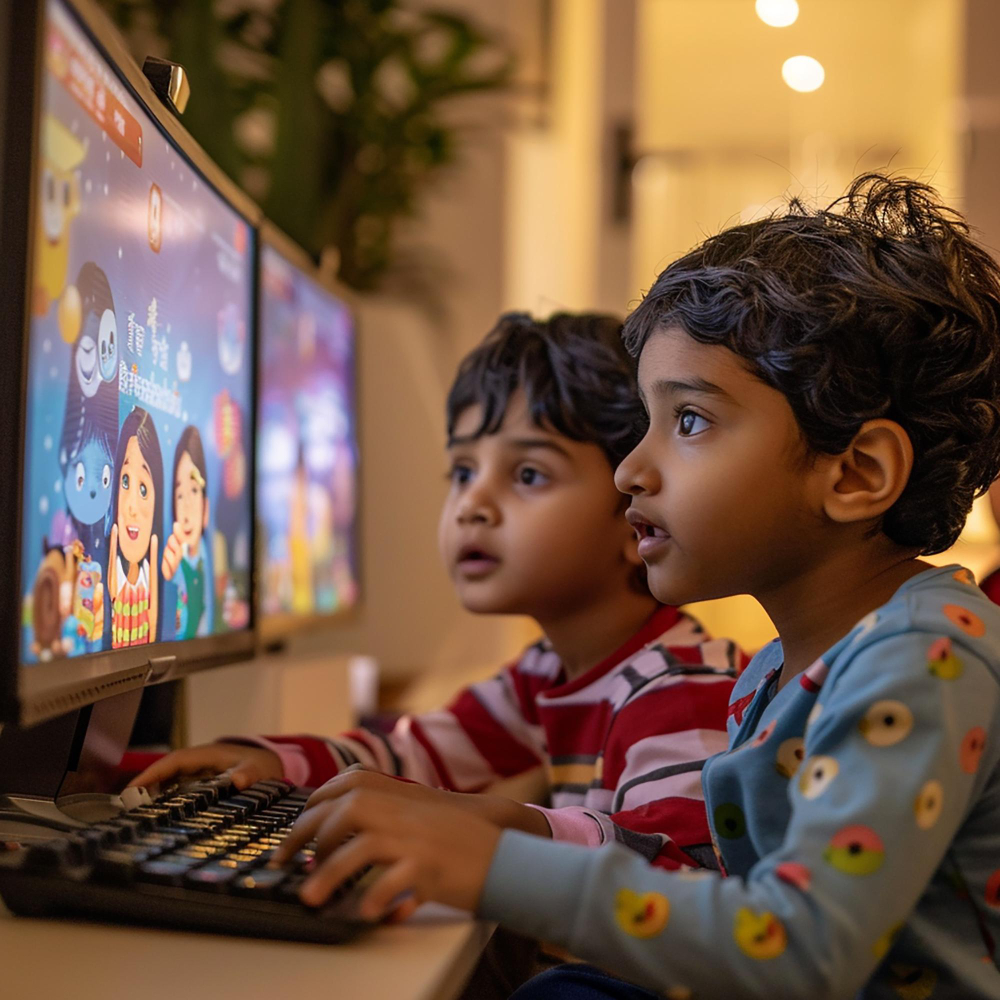
How does one teach a child to think positively – a skill that arguably many adults are unable to practice in their daily lives? Most structured studies involve an intervention where selected school students are invited to participate in workshops and mentoring programmes for a few weeks, covering topics such as general or specific study skills (such as math games), growth versus fixed mindsets, avoiding language or labels such as “dumb”, “easy”/ “hard” tasks, etc. in order to inculcate a growth mindset. There are exciting opportunities for educators to uniquely convey these skills to children – for instance, using a 3-D brain map to show students how learning takes place when the brain reforms new neural connections in response to new experiences.[2] Such studies often conclude that interventions teaching students about positive mindsets lead to promising improvements in their academic performance.[3]
Experience Our Campus Firsthand
See our world-class facilities, meet our faculty, and understand what makes CMR Gandhi special. Book a free campus tour today.
Book Campus Tour
There may be scope for implementing these findings in the traditional curriculum (i.e. by improving the content and the manner in which subjects are taught). The National Education
Download Our Brochure
Explore our programs, facilities, and learning approach at CMR Gandhi. Free download for parents.
Get Free Guide
Policy of 2020 encourages flexible and enjoyable learning through hands-on learning, arts and sports-integrated education, story-telling or other activities.[1] However, there are challenges in implementing the goal of school education should be to inculcate positive attitudes:
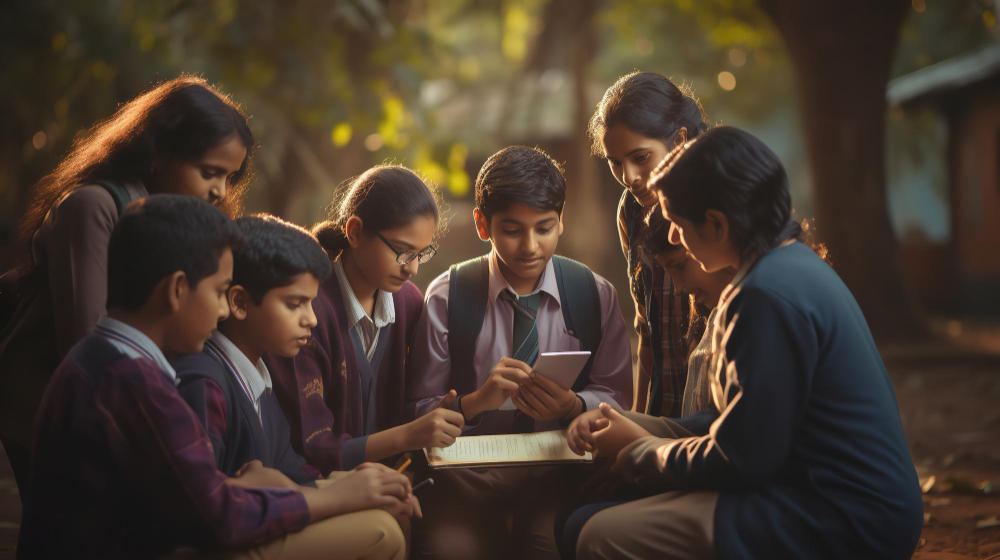
- Are teachers suited for the role of imparting positive attitudes – if so, should they dedicate classroom time in building and reinforcing positive mindset? Or, does the process of building a positive mindset require personal interaction among smaller groups of students – if so, is it feasible to require students to attend mandatory sessions with school counsellors?
- Is academic performance improved if students learn positive attitudes towards learning specifically, or if students receive generalised counselling (such as positive self-image and stress reduction techniques)?
- In what manner should educators mix different techniques (such as lectures/mentorship, group meetings, in-classroom activities, excursions, learning games and puzzles, story/essay writing, arts and sports) in order to create the most effective programme that inculcates positive attitudes?
While the current academic literature does not prescribe a specific method, our modern learning environment allows us to experiment with a wide variety of techniques (in the classroom as well as in extra-curricular programmes) that can significantly improve student’s learning habits and attitudes.
Educators embrace the idea that teaching students can be a learning process in itself, and that learning is a life-long exercise. This attitude may not be intuitive to all young students. In fact, one such study has determined that the academic success of students does not depend upon whether teachers are taught about growth mindsets and positive learning attitudes. It is important for educators and families to consciously and creatively reiterate positive learning skills and values, whether during classroom hours or extra-curricular sessions.