10 Inspiring Freedom Fighters of India and Their Contributions
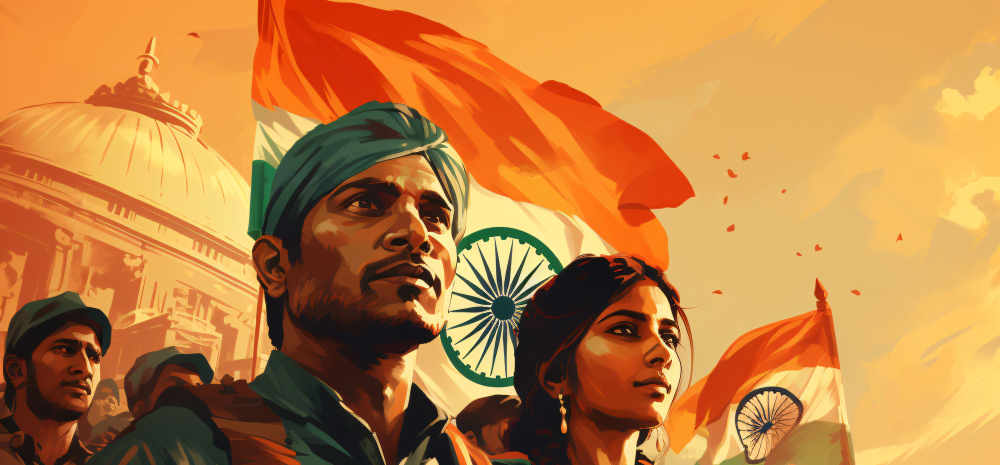
India’s freedom struggle wasn’t the work of one leader or one strategy. It ran for decades and pulled in people from every part of the country, and they didn’t all agree on how to get there. Some spent their lives organising peaceful protests. Others joined revolutionary movements and were ready to fight. Others worked through political leadership or by mobilising the public with speeches and writing. Different methods, same goal.
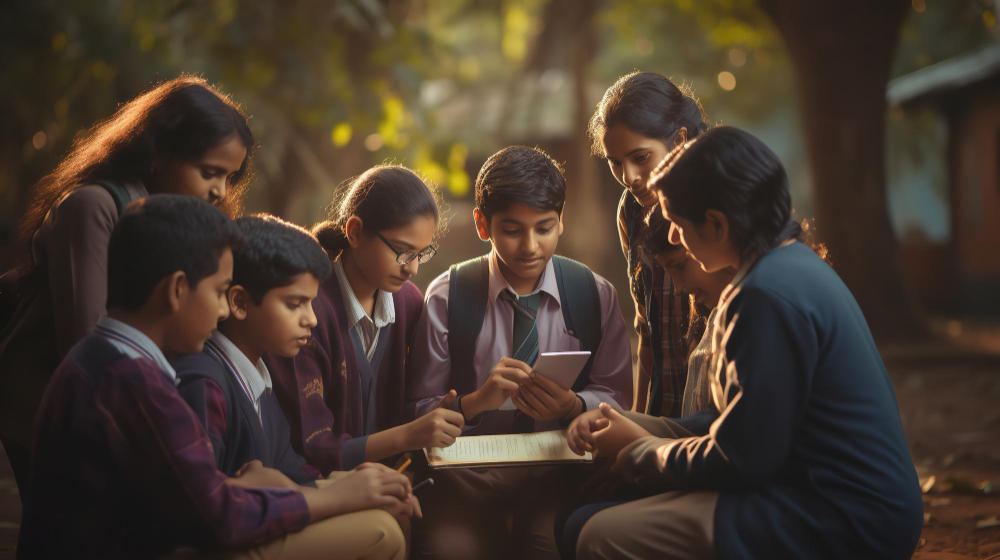
If you’re a parent currently exploring school admission in Bangalore, it’s worth looking at schools that build these same values into daily learning. CMR Gandhi Public School, known as one of the best CBSE schools in South Bangalore, brings together strong academics with the kind of character-building reflected in the stories above. Families closer to Sarjapur Road often look to it as the best CBSE school in Sarjapur Road for exactly this reason.
Give Your Child the Best Start in Life
Admissions are now open for 2027–28. Secure your child's place at one of Bangalore's top CBSE schools.
Apply for Admission
At CMR Gandhi Public School, these stories aren’t treated as something to memorise once and forget. They’re part of how students learn to think about courage, responsibility, and what it means to stand for something bigger than themselves. So here’s a look at ten inspiring freedom fighters of India and the contributions of Indian freedom fighters that shaped the country’s path to independence.
Mahatma Gandhi
Gandhi’s whole approach was built around two ideas: non-violence, or Ahimsa, and Satyagraha, holding firmly to truth. He didn’t want Indians fighting the British with weapons. He wanted British rule to become impossible to sustain through mass, peaceful refusal.
That’s what the Salt March was. It’s what the Non-Cooperation Movement and the Quit India Movement were too. Each one pulled in more ordinary citizens, not just political leaders, and that’s really Gandhi’s biggest contribution. He made the freedom struggle something a shopkeeper or a farmer could actually take part in, not just something happening among leaders in Delhi.
Subhas Chandra Bose
Subhas Chandra Bose, known popularly as Netaji, didn’t believe non-violence would be enough on its own. He wanted an armed force ready to fight for India’s independence, so he built one: the Indian National Army.
Experience Our Campus Firsthand
See our world-class facilities, meet our faculty, and understand what makes CMR Gandhi special. Book a free campus tour today.
Book Campus Tour
He led that army with a clear, urgent call for complete independence, and worked to challenge British rule rather than wait it out passively. His energy and conviction made him one of the more compelling leaders of the freedom struggle, and a reminder that resistance took many different forms.
Bhagat Singh
Bhagat Singh got involved in the revolutionary movement while he was still very young. In 1929, he and Batukeshwar Dutt threw non-lethal bombs into the Central Legislative Assembly, deliberately choosing not to harm anyone. The point wasn’t to kill; it was to make the British government listen, and to use the trial that followed as a platform for revolutionary ideas. He protested against British colonial rule in ways that put him directly in the government’s line of sight, and he didn’t back away from the risk that came with it
Download Our Brochure
Explore our programs, facilities, and learning approach at CMR Gandhi. Free download for parents.
Get Free Guide
Sardar Vallabhbhai Patel
Before independence, Patel played a central role in the Bardoli Satyagraha and other civil resistance movements, standing with farmers who needed support against unfair demands. That work strengthened the wider national movement and built his reputation as someone who stayed close to the people he represented.
His role expanded significantly after independence, when he took on the task of integrating princely states into a unified India. It’s a quieter chapter than some others on this list, but arguably one of the most important for the country’s future.
Rani Lakshmibai
Rani Lakshmibai led the resistance in Jhansi during the Revolt of 1857, long before the organised independence movement of the 20th century began. She defended her kingdom against British forces directly, at a time when a woman leading troops into battle was almost unheard of.
Her bravery made her a lasting symbol of resistance, and her story remains one of the earliest and most memorable chapters in India’s fight against colonial rule.
Jawaharlal Nehru
Nehru took an active part in both the Non-Cooperation and Civil Disobedience movements, and was imprisoned repeatedly by the British as a result. Each time he was released, he returned to the struggle.
What set him apart was his vision for what came after independence. He saw a democratic, modern nation ahead, and he got to build toward it directly as India’s first Prime Minister.
Bal Gangadhar Tilak
Tilak’s message, “Swaraj is my birthright, and I shall have it,” became one of the defining lines of the freedom struggle. It gave shape to something many people were already feeling but hadn’t put into words.
Through his speeches, his newspapers, and public programmes that reached far beyond political circles, Tilak helped encourage nationalism at a grassroots level. His role in the Swadeshi movement and his consistent demand for self-rule made him one of the earliest voices pushing the country toward independence.
Chandrashekhar Azad
Chandrashekhar Azad was closely involved with the Hindustan Socialist Republican Association, where he organised and guided a younger generation of revolutionaries willing to take real risks for the cause.
He was determined never to be captured by the British, and resisted authority right up to his final moments, rather than letting the British take him alive. That determination remains one of the more striking parts of his legacy in India’s revolutionary movement.
Sarojini Naidu
Sarojini Naidu, known as the “Nightingale of India,” brought a distinct voice to the freedom struggle. She took an active part in the Civil Disobedience and Quit India movements, using her skill as a speaker and writer to bring more people into the cause.
She also became the first Indian woman to serve as president of the Indian National Congress. This milestone opened the door for greater participation of women in the country’s political life.
Mangal Pandey
Mangal Pandey’s actions were among the early events that led to the Revolt of 1857. His resistance at the Barrackpore garrison encouraged other Indian soldiers to start questioning the authority they had long been trained to follow.
It was a short-lived act of defiance, but Mangal Pandey holds a lasting place among the early figures of India’s independence struggle.
Lessons Students Can Learn from India’s Freedom Fighters
Looking past the dates and events, there’s a set of lessons in these stories that still hold up today:
- Courage to stand against injustice, even when staying quiet would be easier.
- Discipline and sacrifice for something bigger than yourself.
- Unity despite social and regional differences.
- Respect for democracy and national values.
These are the same values that shape the learning environment at CMR Gandhi Public School, where academics go hand in hand with character-building, so students grow up with a genuine sense of responsibility toward the people and the country around them.
Remembering Their Contributions
Each of these ten freedom fighters followed a different path toward the same shared goal, some through non-violence, some through revolution, some through leadership or public mobilisation. Still, together their contributions shaped the India we know today. Their courage, leadership, and commitment are worth learning from well beyond a history textbook.
For parents exploring early education options for younger children, it’s also worth looking into the best play schools in Bangalore as a starting point before the CBSE years begin.
Looking for a balanced educational environment that fosters leadership, critical thinking, and character development? Discover how our CBSE curriculum and experiential learning programs help students thrive.